A polyester material is utilized because it will stretch with the finishes. (Fiberglas fabric is not recommended.) Material is normally cut to extend 3 inches beyond the fixed location in all directions. The coating is used to the roof surface and the fabric is instantly pressed into the damp surface.
 Elastomeric Roof Coating On Wood?
If your roofing system has stucco parapets, analyze them for cracks along the sides and top. These areas frequently permit water to go into the wall and can trigger blisters and wrinkles in the roofing surface area. Repair with Elastek 103 Fracture & Joint Sealant. If you do not have parapets, analyze the metal drip edge for a tight seal with the roof membrane.
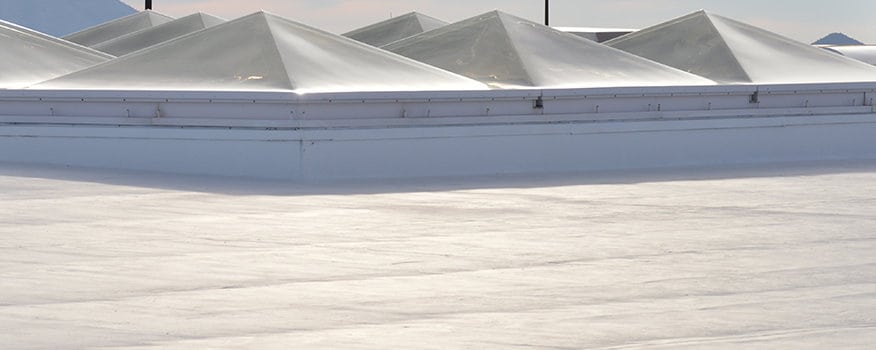 How To Apply Roof Coating
Apply finish when the roofing system is dry and the sealant has set. You will be utilizing a 9-inch durable frame, -inch paint roller for spreading covering on roofing system or 1-1/4-inch roller for dipping in pail, and a 5to-6-foot extension pole. Use a 3/4-inch roller with basecoats and emulsions. Map out your roofing system and make each pail fill that area.
Discover Here: https://www.dcroofingarizona.com/residential/roof-repair-tucson/
A low-cost 3-inch or 4-inch brush must be utilized to reach locations not possible with a roller. Utilize a stiff paintbrush for applying 103 Fracture & Joint Sealant. Topcoat must always be used in a really thick coat, to attain a rate of 100 sq. ft. per gallon, and a dry finishing density of 10 mils.
Coatings are used with a minimum of working the product for an optimum density. Work right from the pail, dipping the roller or soak roof and spread. Give scupper and ponding locations several additional coats for added security. Allow each coat to dry before recoating. In cool weather condition, one coat a day is the maximum; 2 might be possible in the summer.
Elastomeric Coatings For Metal Roofs
ft. per gallon, or a minimum of 20 mils dry coating. If 2 complete overcoats are not applied, always apply two thick coats to issue locations such as scuppers, drain areas, ponding locations, joints, and repaired areas. Avoid using Elastek Solar Magic or The Guard on ponding roofings. Clean skin and tools promptly with water.
These are the wires connecting the roofing system venting fan. I clipped them just above the blue splice joints. Roof vent removed and cleaned up. After clipping the wire and eliminating the vent, I cleaned up any remaining goop and got my first great look at the roofing frame. It's metal! 1 1/2 inches thick.
Some RV roofings are framed with wood, others have metal framing. I had no idea what remained in my camper until this point. Not too happy about the amount of rust on it, however ideally it is still structurally sound! I removed some rust and made a huge mess inside the bathroom.
Oops. Maybe I must have put a tarp down initially. My final goal of the day was to get the refrigerator vent cover off. I observed Recreational Vehicle sealant blobs at four points on the cover so assumed there should be screws under them. I pried them up and found Phillips screw heads.
Exposing the screws in the fridge vent cap. Removing old RV roofing system finishing on top of fridge vent cap I likewise discovered that there was a coat of RV roof finish over the vent cap. These finishes are painted on with a brush so clearly whoever did this finishing just blobbed in on top of whatever.
Official Source:
Raising off the cover of the fridge roofing vent. Once the cap is off it's more of the very same. Cutting away more rubber and removing RV roof sealant and old caulk. Get comfy due to the fact that this sucker has 32 screws in it! Ugh. Scraping lap sealant and caulk from screw heads.
Technical Data Sheet Elastomeric Roof Coating
Some screws will be too rusted and need pliers to eliminate. Prying off the refrigerator roof vent after all screws are eliminated. (and the tools used.) Almost every screw was in sufficient condition to get rid of with a socket chauffeur, but a couple were too rusty and required to be twisted out with vice grip pliers.
I peeled the staying rubber roofing from under the flange and after that removed the old putty below. I'll clean it much better if and when I decide to recycle it. Looks like it remains in decent shape so I most likely will. Removing the old putty from the flange of the fridge roofing vent.
 How To Apply Elastomeric Cool Roof Coatings: 3 Easy Steps
I scraped the framing inside the opening and found that the framing around the refrigerator vent is made from wood (unlike the metal frame around the roofing vent.) Then I covered it up with a scrap of wood so I wouldn't drop any scrap into the fins on the back of the refrigerator! Here's a peek inside the refrigerator vent.
 Quick Setting Elastomeric Roof Coating
That's as far as I got on day 1 after about 5 hours of lazy work. Not a bad start. I likewise noticed this incredible slime mold growing in the mulch under the camper. If you have actually never ever seen a slime mold, have a look at a long time lapses of them growing! They are freaking remarkable! A slime mold under the camper! Now continue to step 2 when I get rid of the rest of the roofing system fixtures!.
?.!!.